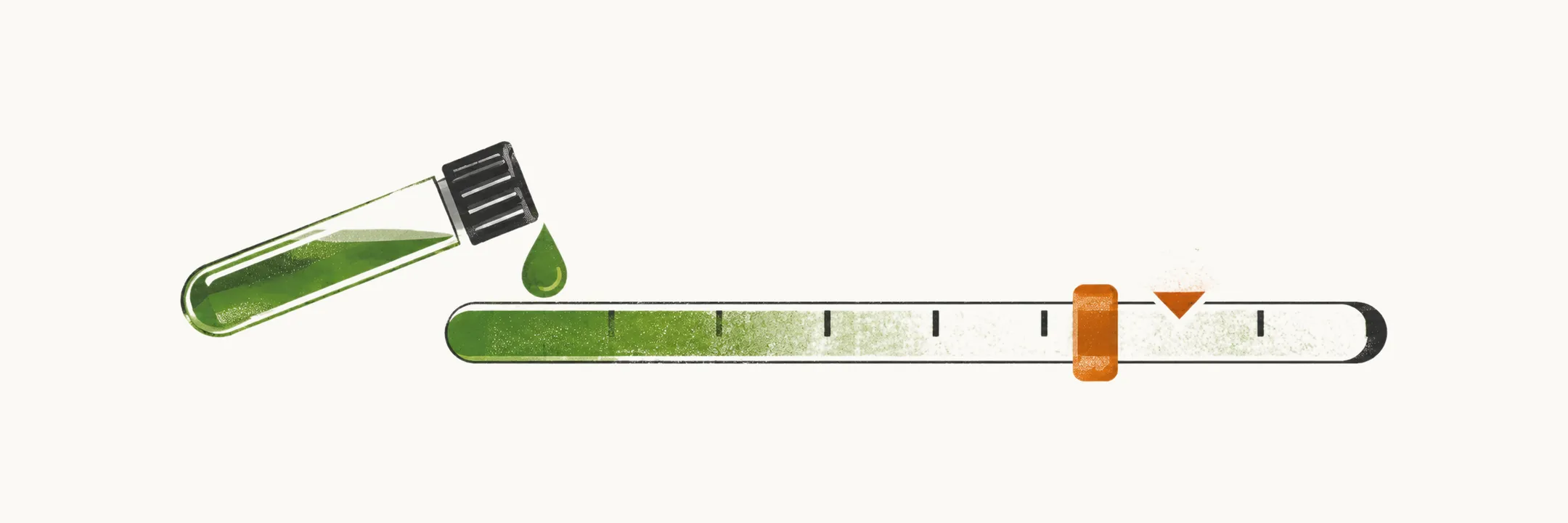
The American Diabetes Association (ADA) criteria for the diagnosis of diabetes mellitus are built on a set of laboratory tests, and each test has its own threshold. The tests are not interchangeable: they measure different aspects of glucose metabolism and detect slightly different groups of people, so they can disagree in the same patient, and both the choice of test and the number of abnormal results needed matter.
The diagnostic tests
Four tests are used: three measure plasma glucose (fasting, at a random time, and 2 hours after an oral glucose load) and one, HbA1c, measures glucose bound to hemoglobin. Values above normal but below the diabetes threshold define prediabetes.
Fasting plasma glucose (FPG) is measured on venous plasma after at least 8 hours without food, and it reflects the glucose level in the fasting state. The diagnostic threshold is ≥ 126 mg/dl (7.0 mmol/L). A normal FPG is below 100 mg/dl (5.6 mmol/L), and values from 100 to 125 mg/dl (5.6 to 6.9 mmol/L) define prediabetes, also called impaired fasting glucose (IFG).
Random plasma glucose (RPG) is measured at any time of day without regard to the last meal. A value of ≥ 200 mg/dl (11.1 mmol/L) is diagnostic of diabetes when it comes with classic hyperglycemic symptoms or a hyperglycemic crisis; in someone without those, a fasting plasma glucose or an OGTT value is used instead.
The 2-hour plasma glucose on the oral glucose tolerance test (OGTT) is measured after the subject drinks a solution containing the equivalent of 75 grams of glucose, and it shows how well glucose is handled after a load. The test is valid only if the subject has taken at least 150 grams of carbohydrate in the preceding 3 days and is tested after a night of fasting. The 2-hour value is interpreted as:
- normal → below 140 mg/dl (7.8 mmol/L)
- impaired glucose tolerance (IGT), or prediabetes → 140-199 mg/dl (7.8-11.0 mmol/L)
- diabetes mellitus → ≥ 200 mg/dl (11.1 mmol/L)
Hemoglobin A1c (HbA1c) is a chronic measure: it reflects glucose bound to hemoglobin over the lifespan of the red cell, and therefore the average glucose of the preceding 2-3 months, so it needs no fasting. The diagnostic threshold is ≥ 6.5%, and a value from 5.7 to 6.4% marks a very high risk of progression to diabetes mellitus.
Confirming the diagnosis
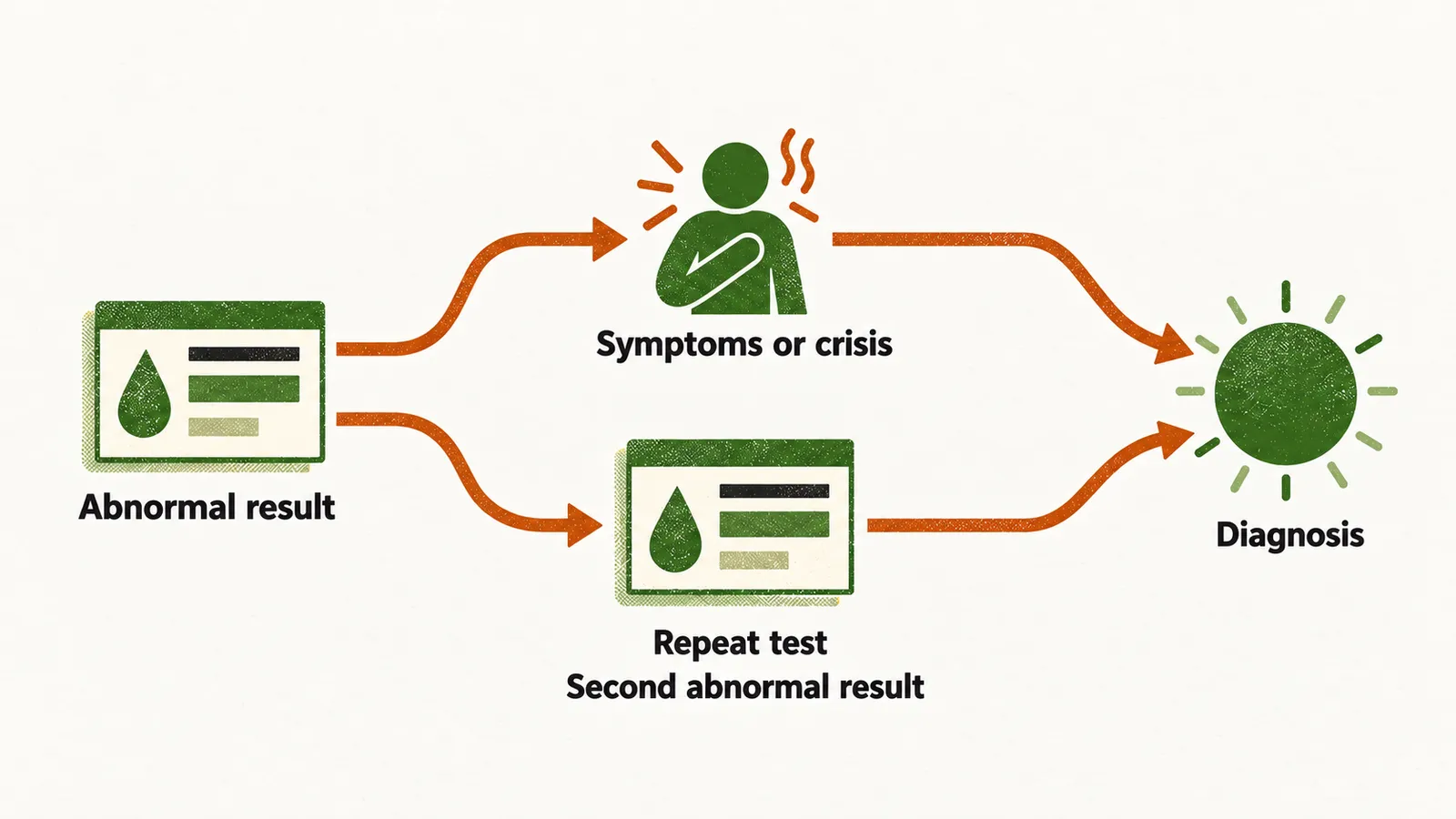
A single abnormal result is not enough on its own, unless there is unequivocal hyperglycemia: classic symptoms of hyperglycemia or a hyperglycemic crisis together with a random plasma glucose ≥ 200 mg/dl. Otherwise the diagnosis is confirmed by two abnormal results — either two different tests on the same sample, for example an FPG and an HbA1c drawn together, or the same test repeated at a second time point. If two different tests disagree, the test with the abnormal value is the one repeated, and the diagnosis follows the confirmed result.
When HbA1c should not be used
Because HbA1c depends on how long red blood cells survive and on the hemoglobin they carry, anything that alters red-cell turnover or hemoglobin can make the result misleading. In these situations plasma glucose criteria should be used to diagnose diabetes instead:
- some hemoglobin variants that interfere with the assay
- pregnancy, in the second and third trimesters and postpartum
- glucose-6-phosphate dehydrogenase (G6PD) deficiency
- HIV infection
- hemodialysis
- recent blood loss or transfusion, or ongoing hemolysis
- erythropoietin therapy
Two further situations follow the same logic. HbA1c is not used to screen for cystic fibrosis-related diabetes because it is insensitive, and after organ transplantation the OGTT is preferred for diagnosing post-transplantation diabetes.
Once the tests have confirmed that hyperglycemia is present, the remaining question is what kind of diabetes the patient has.