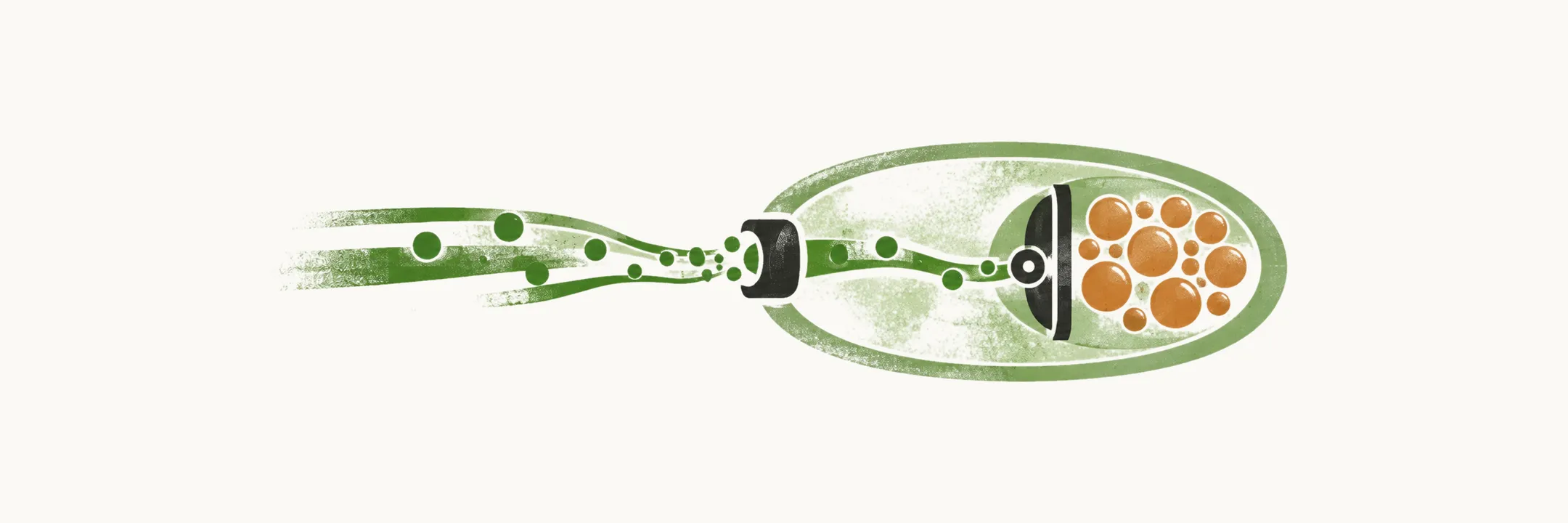
Prolactin is the anterior pituitary hormone whose release is held back rather than driven by the hypothalamus, so a raised level usually means that a brake or a pathway has been interrupted. Hyperprolactinemia is the most common pituitary hypersecretion syndrome in both men and women.
How prolactin secretion is controlled
The hypothalamus releases dopamine into the portal blood, the small vein system that carries hypothalamic signals to the anterior pituitary. There dopamine acts on the D2 receptors of the lactotrophs, the prolactin-secreting cells. Through those receptors dopamine suppresses both the secretion and the synthesis of prolactin, and it also holds down the number of lactotrophs. GABA (gamma-aminobutyric acid) adds a minor inhibitory effect alongside it. This dominance of inhibition is what separates prolactin from the other anterior pituitary hormones, which are mainly driven by hypothalamic releasing factors: because the resting state of a lactotroph is suppressed, anything that reduces the delivery of dopamine to it will raise prolactin.
A smaller set of signals works in the opposite direction and stimulates prolactin release. These are TRH (thyrotropin-releasing hormone), estrogen, VIP (vasoactive intestinal peptide), serotonin, and oxytocin. Estrogen matters most clinically, because it both stimulates prolactin release and increases the number of lactotrophs, which is why the high estrogen of pregnancy drives prolactin so high.
Physiological causes
Not every raised prolactin level signals disease. Some causes are normal physiological states, and they have to be recognised before a pathological cause is pursued:
- pregnancy and lactation
- sleep-associated hyperprolactinemia
- nipple stimulation and sexual orgasm
- chest wall stimulation and trauma
What the prolactin level suggests
After physiological states are set aside, the size of the prolactin level helps to narrow the pathological causes. Prolactinoma, a prolactin-secreting tumour of the pituitary, is the most common cause of a prolactin level greater than 200 microgram/L. Less pronounced hyperprolactinemia is mostly due to drugs, pituitary stalk compression, hypothyroidism, or renal failure. The dividing line is useful because these other causes rarely push the level to the very high values a prolactinoma can produce.
Lesions of the hypothalamic-pituitary region
Lesions in the hypothalamic-pituitary region that disrupt the dopaminergic cells, or that affect the portal system, can cause hyperprolactinemia. The usual mechanism is stalk compression: a mass resting on the pituitary stalk, the connection between hypothalamus and pituitary, blocks dopamine on its way to the lactotrophs, so prolactin rises even though the mass itself does not secrete it. Such lesions can be:
- tumours, mainly by compression of the pituitary stalk
- cysts
- infiltrative disorders, such as sarcoidosis
- radiotherapy-induced damage
Drugs that raise prolactin
Apart from lesions, anti-dopaminergic drugs such as antipsychotics or antidepressants can cause hyperprolactinemia, because blocking D2 receptors releases the lactotrophs from their normal inhibition. Other drugs act by different routes and should also be taken into account:
- methyldopa, which inhibits dopamine production
- verapamil, which inhibits the release of dopamine
- estrogen
Because so many antipsychotics and antidepressants act on dopamine, the drugs worth remembering are best read as a group. The table below gathers them by class, including those that do not raise prolactin.
| Drug group | Examples that raise prolactin | Examples that do not |
|---|---|---|
| Antipsychotics, typical | Haloperidol, chlorpromazine, thioridazine, thiothixene | |
| Antipsychotics, atypical | Risperidone, quetiapine, olanzapine | Clozapine, aripiprazole, ziprasidone |
| Antidepressants | Tricyclic: clomipramine. Monoamine oxidase inhibitors: pargyline, clorgyline. Selective serotonin reuptake inhibitors: sertraline, fluoxetine, paroxetine | |
| Other psychotropics | Buspirone, alprazolam | |
| Other substances | Opiates and cocaine | |
| Antihypertensive medications | Verapamil, methyldopa | |
| Gastrointestinal medications | Metoclopramide, domperidone | |
| Sexual steroids | Estrogens |