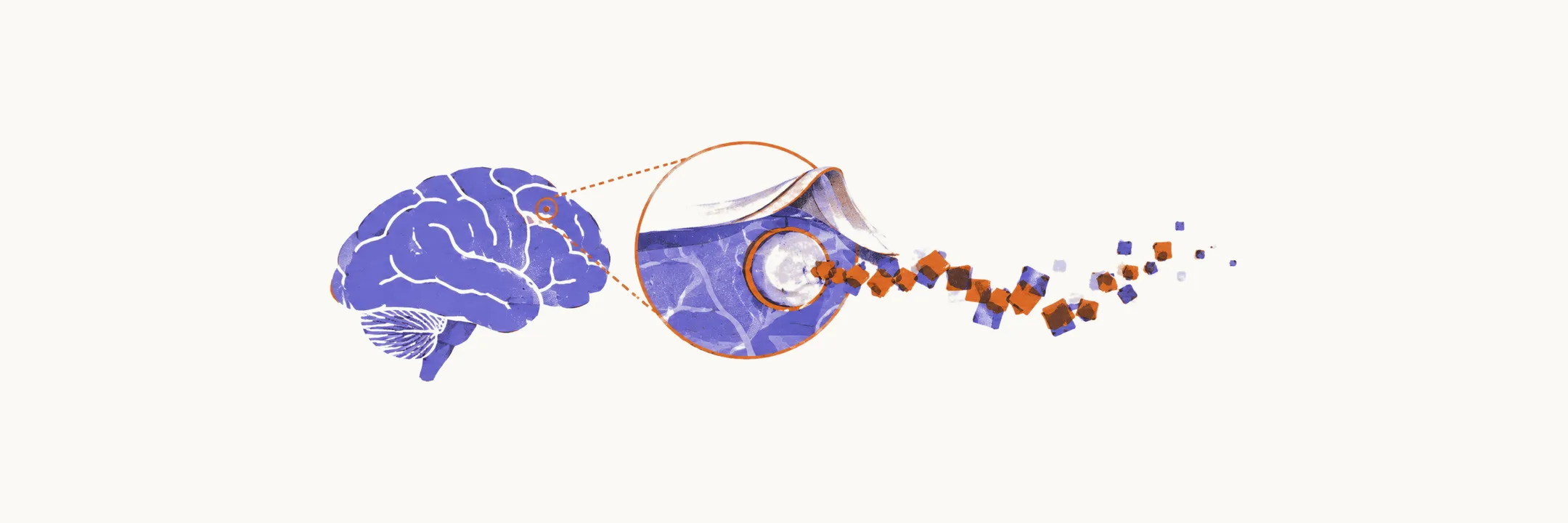
Central nervous system (CNS) infection means a transmissible agent has reached the meninges (the membranes covering the brain and spinal cord), the brain tissue itself, or a focal site inside it. Early symptoms overlap across these sites, so the first step is locating the process.
That location sets the family. Meningitis covers the meninges, viral encephalitis covers brain tissue, brain abscess covers a focal collection, Creutzfeldt-Jakob disease covers the transmissible prion disorder, and the pediatric note covers how the same anatomy presents differently with the child’s age. The subacute tuberculous form is reached through the meningitis note.
Where to go next
Readers new to the family can start with meningitis and continue in this order: from the meninges inward to brain tissue, then to a focal collection, a prion disorder, and finally the effect of age.
- Meningitis: the meningeal syndrome and the forms it takes, including where the tuberculous companion fits.
- Viral encephalitis: temporal-lobe encephalitis and the post-infectious immune aftermath it must be set against.
- Brain abscess: the focal mass-lesion pattern and how its management differs from diffuse infection.
- Creutzfeldt-Jakob disease: the rapidly progressive prion dementia and the treatable mimics to exclude first.
- Pediatric CNS infections: how presentation, likely pathogens, and workup change with the child’s age.
Autoimmune encephalitis can mimic infection but belongs to a separate cluster; start from Autoimmune Encephalitis when the picture points that way.