Cushing’s syndrome is defined as a symptom complex that reflects chronic, excessive exposure of tissues to glucocorticoids, the steroid hormones made by the adrenal cortex, of which cortisol is the main one; the state of cortisol excess itself is called hypercortisolism.
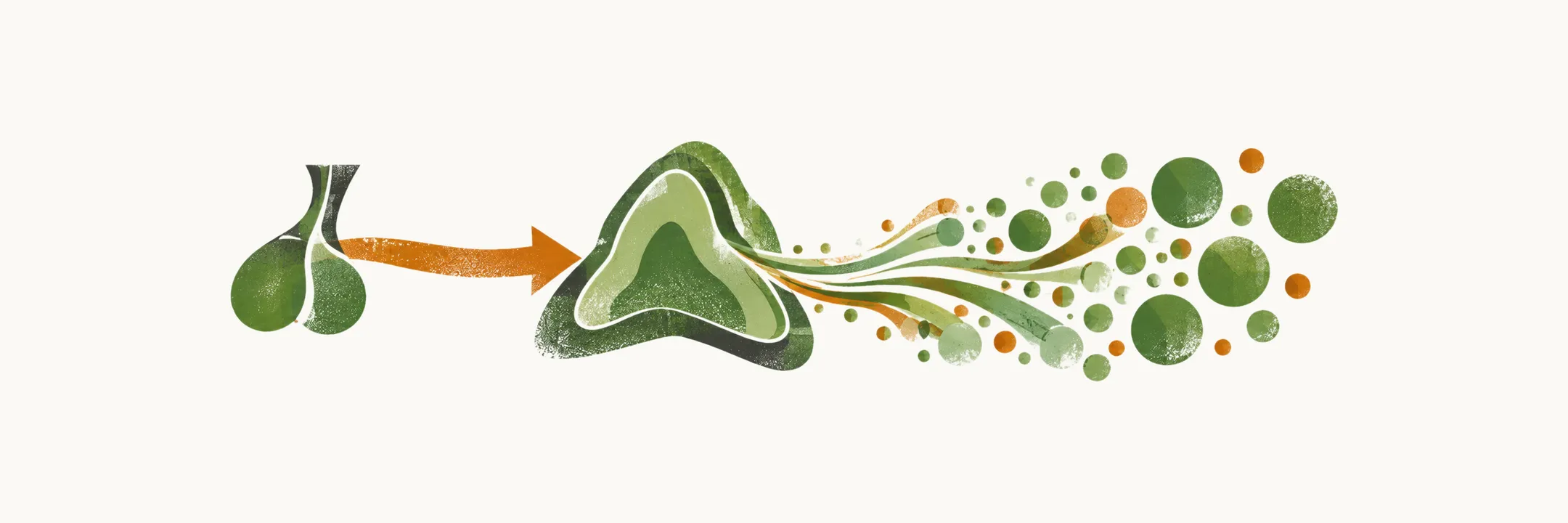
The idea that organises the subject is whether the adrenal cortex is driven from outside or acts on its own. The pituitary gland normally releases ACTH (adrenocorticotropic hormone), which stimulates the adrenal cortex. When a tumour makes ACTH — pituitary or ectopic — the adrenal glands are stimulated and cortisol rises with them; when the adrenal cortex overproduces cortisol by itself, ACTH is suppressed. That one question of ACTH dependence splits the causes into two families and directs both the investigation and the treatment of each.
Harvey Cushing was the first to codify the complex of symptoms of obesity, diabetes, hirsutism, and adrenal hyperplasia, and he discovered that most of the patients with this symptom complex had basophilic adenomas. After his initial contribution, other researchers found other aspects of the disorder, such as the usefulness of adrenalectomy in improving symptoms in most patients and, more recently, the ectopic production of ACTH and CRH (corticotropin-releasing hormone, the hypothalamic hormone that drives ACTH release).
Choose a route through the topic
Start with the causes if the subject is new: each later note depends on knowing which family a patient falls into. In practice the syndrome is suspected from the clinical features, confirmed with the screening tests, and only then traced to its cause before treatment.
- Causes and Forms of Cushing’s Syndrome explains each form in turn, from the pituitary corticotroph adenoma of Cushing’s disease through ectopic ACTH and CRH production to primary adrenal disease, gives the relative frequency of each, and describes the conditions that raise cortisol without true Cushing’s syndrome.
- Clinical Manifestations of Cushing’s Syndrome describes the features the diagnosis rests on, from the non-specific clues to the specific changes in fat distribution, skin, muscle, bone, and mood.
- Diagnosis of Cushing’s Syndrome covers when to suspect the syndrome, how exogenous glucocorticoids are excluded, the screening tests and their thresholds, and how ACTH measurement and localisation studies separate the forms.
- Treatment of Cushing’s Syndrome covers the goals of treatment, the surgical first-line for each cause, the second-line medical and radiation options, and the complications and long-term outcomes that need follow-up.