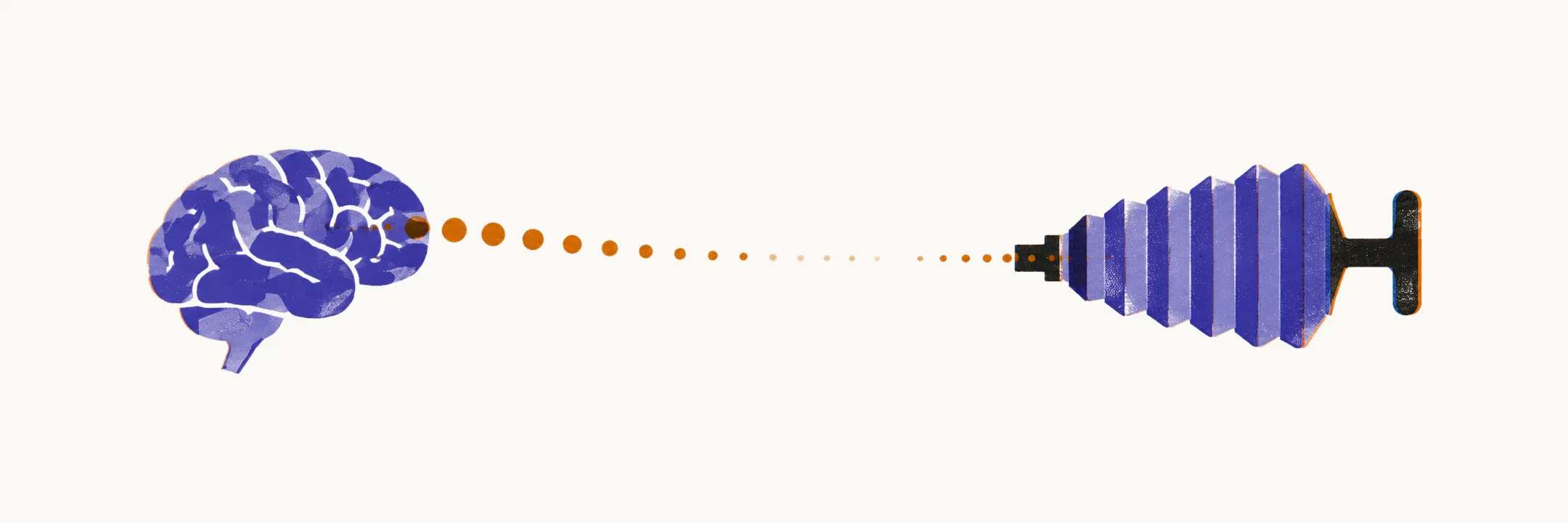
Respiratory failure means the respiratory system cannot maintain adequate arterial oxygenation (oxygen in the blood), cannot clear carbon dioxide, or both. In neurological disease the weak link is often not the lung, but the drive to breathe, the nerves that carry the signal, the respiratory muscles, the chest wall, the cough, or the clearance of secretions — while the lungs themselves still exchange gas.
The mental model that makes sense of these problems is a pump: the drive, nerves, muscles and chest wall that move air in and out of the lungs. The lung may still work, but the pump can fail, which is why a neurological patient can look like an oxygen problem while the real danger is weak ventilation (hypoventilation) with carbon dioxide retention (hypercapnia). Respiratory care in these conditions is planned before crisis rather than during one.
Where to start
If the pump model is new, begin with the first note below, which explains why it fails. The others follow the order in which a clinician meets the problem: measuring the pump, clearing secretions, supporting ventilation, and planning care. Each also answers a practical question by itself.
- Why Neurological Disease Weakens Breathing — the four mechanisms of ventilatory failure outside the lungs, load against capacity, and why a low oxygen saturation can point to the wrong problem.
- Assessing the Respiratory Pump in Neurological Disease — why daytime saturation can look reassuring, which tests measure the pump, and how gas exchange and sleep are monitored.
- Cough and Secretion Clearance in Neurological Disease — how cough strength is graded with peak cough flow, how cough augmentation is escalated, and why thinning secretions can backfire.
- Ventilatory Support in Neurological Disease — why oxygen alone can be dangerous, and how non-invasive ventilation is started, adapted and checked.
- Planning Respiratory Care Before Crisis — one care pathway, the multiprofessional team, and what patients and caregivers are trained for.
Swallowing failure and aspiration are one route into these problems. For that route — feeding-tube timing, cough assessment and cough-assist devices, the oxygen hazard in weak patients, and compensatory strategies — read Neurological Dysphagia.