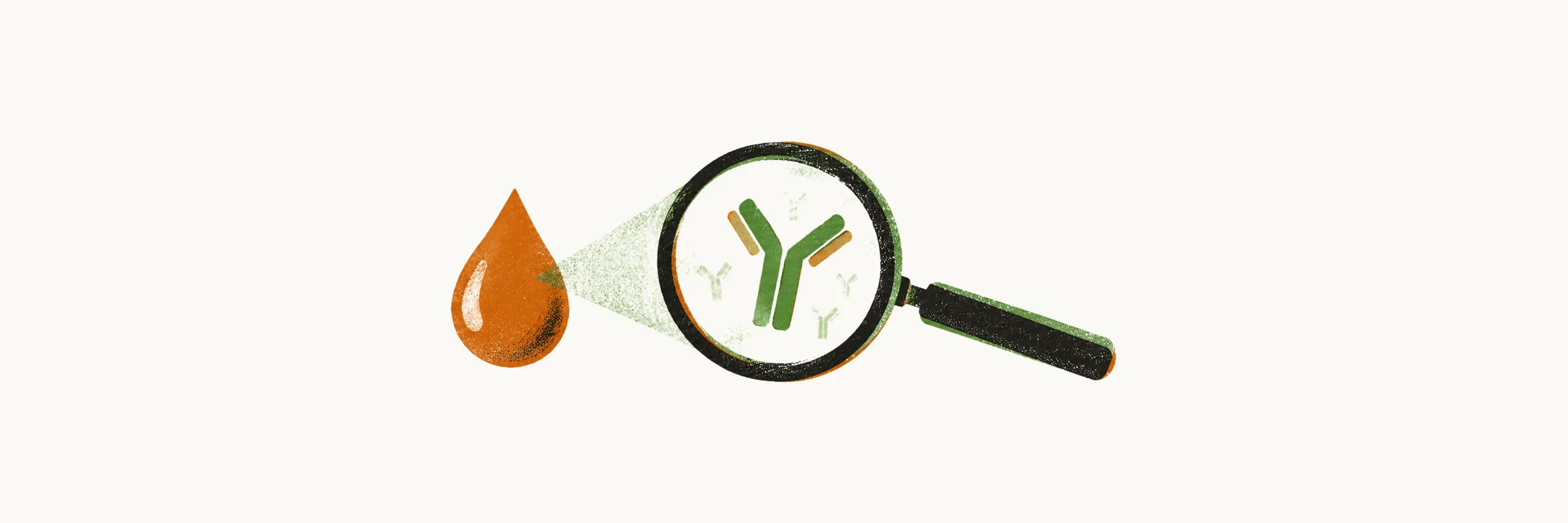
Islet autoimmunity, the immune attack on the insulin-producing cells of the pancreatic islets, can be detected by autoantibodies before clinical type 1 diabetes (T1D) appears, and that is what makes screening possible.
The autoantibodies used for screening
There are 5 known autoantibodies that can be screened in the population to identify people at risk of future progression to T1D:
- Islet cell antibodies (ICA)
- Autoantibody to insulin (IAA)
- Antibodies to tyrosine phosphatase (IA-2)
- Antibodies to glutamic acid decarboxylase (GAD)
- Antibodies to a zinc transporter (ZnT8)
Seroconversion is the point at which an autoantibody first becomes detectable in the blood. Nearly all people who develop seroconversion for islet autoimmunity eventually progress to clinical T1D.
Why detecting the pre-clinical stage matters
The value of screening lies in what the result allows. A person found to have two or more autoantibodies with normal or impaired glucose tolerance is in stage 1 or stage 2 disease, and can be monitored so that the transition to clinical disease is recognised and treated without a crisis. At stage 2 there is now also a treatment that changes the course of the disease: teplizumab, approved in 2022 as the first disease-modifying therapy for T1D, delays the onset of stage 3 disease by an average of about two years in people with stage 2 disease.
Current status of screening
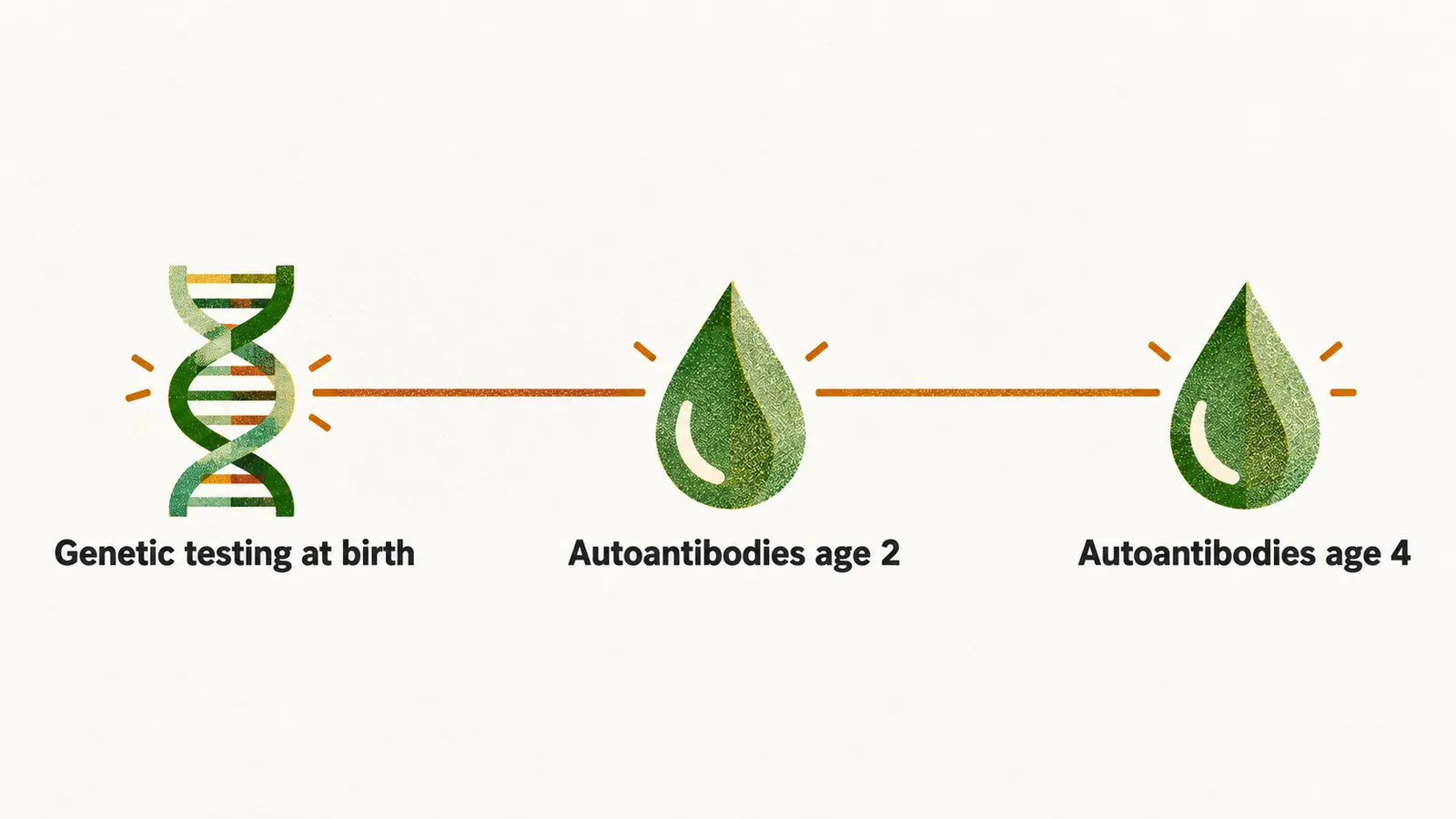
Screening is still under trial and is not applied at the level of the whole population, largely because more than 85% of cases of T1D have no family history of the disease, so screening only relatives would miss most cases. Trial screening begins with genetic testing at birth for the human leukocyte antigen (HLA) genes, the immune-system genes that carry the main inherited risk, after which participants are tested twice, at the ages of 2 and 4 years, for the presence of autoantibodies. Trials are still investigating the best cost-effective way to screen.
Outside these trials, type 1 diabetes is generally recognised only when symptoms appear.