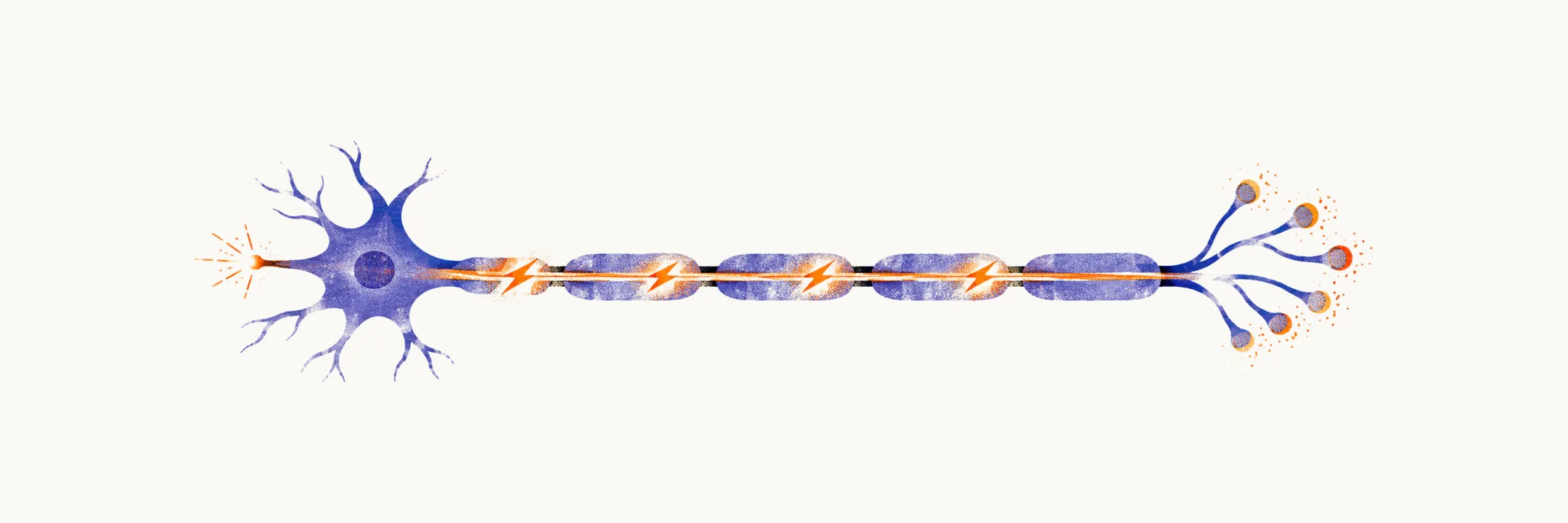
Trigeminal neuralgia is brief unilateral facial pain, not headache. It arises from the trigeminal nerve, which carries sensation from the face. Attacks feel like electric shocks: abrupt in onset and termination, severe, and shock-like, shooting, or stabbing in quality. Each attack lasts from a fraction of a second to 2 minutes. Innocuous stimuli trigger them, such as touch, talking, chewing, brushing teeth, or cold wind. Over 90% of patients report triggered attacks. A refractory period (an interval in which the pain cannot be re-triggered) of seconds to minutes follows a triggered attack.
Causes
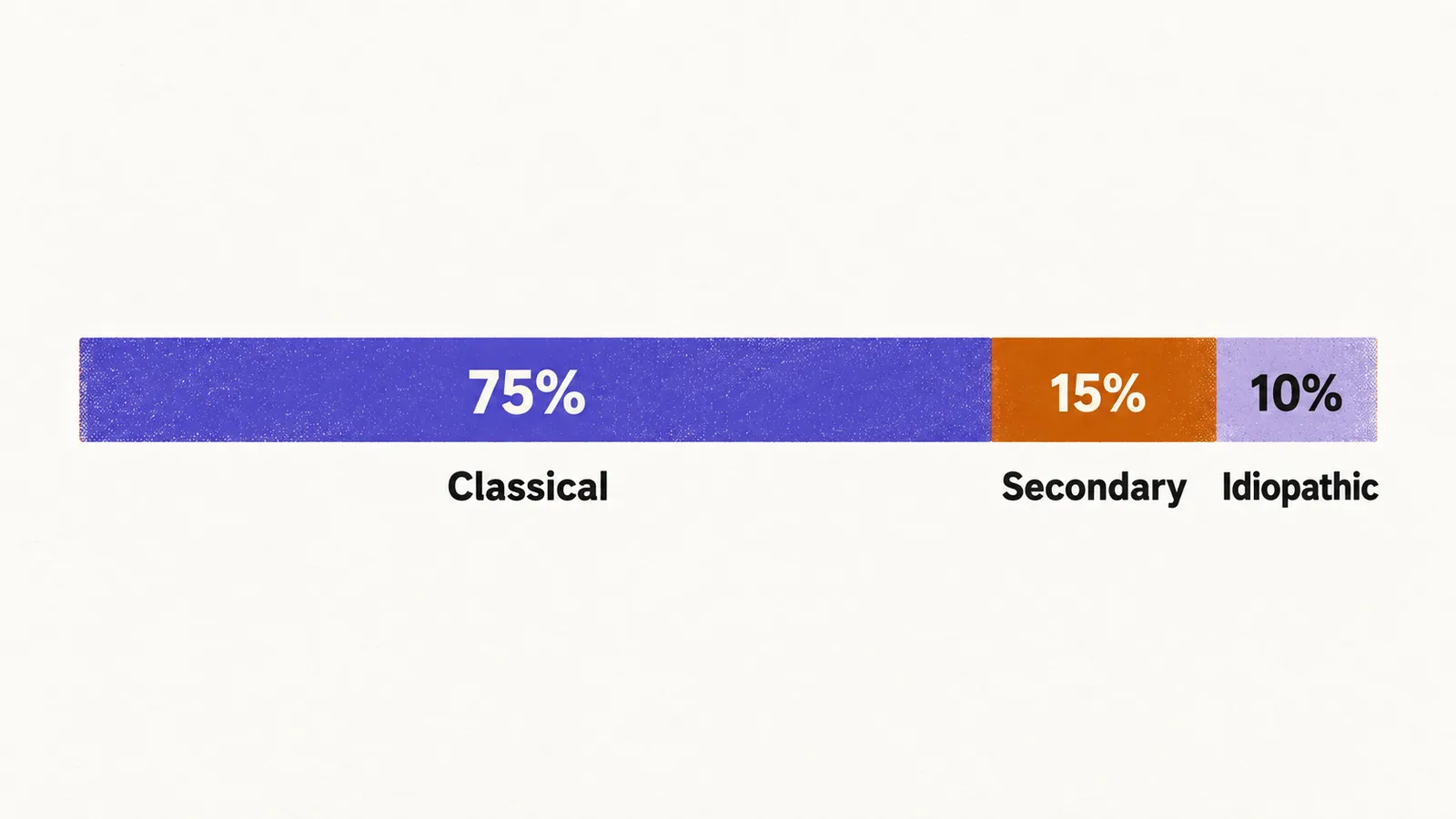
Classical trigeminal neuralgia comes from neurovascular compression, meaning a blood vessel presses on the nerve root and visibly deforms it. It accounts for about 75% of cases. Simple contact without deformity is common in healthy people and does not qualify. Secondary causes such as multiple sclerosis, cerebellopontine-angle tumour, or arteriovenous malformation account for about 15%. About 2% of multiple sclerosis patients develop trigeminal-neuralgia-like symptoms. The remaining 10% are idiopathic, meaning no cause is found. Attacks longer than 2 minutes demand exclusion of mimics, although a minority of genuine cases cluster for up to about 1 hour.
Drugs
Carbamazepine and oxcarbazepine are first-line drugs. They give meaningful initial control in almost 90% of patients, but up to 40% withdraw because of adverse effects. Their effect on continuous background pain is limited. Add-on options include lamotrigine, gabapentin or pregabalin, baclofen, and botulinum toxin A. The drug evidence base is small, so much of this ladder rests on clinical experience.
Procedures
Microvascular decompression is first-line surgery in classical disease with demonstrated vascular conflict. About 62–89% of patients stay pain-free at 3–10 years, with 0.3% mortality. Ablative options (radiosurgery, radiofrequency, balloon compression, glycerol injection) average 3–4 years of relief, with higher sensory complication rates and frequent repeats. Patients without demonstrated conflict, frail patients, and those who refuse open surgery go the ablative route. Radiosurgery is the least invasive option, but relief can take up to 6 months.
Separation from cluster headache
Both conditions cause severe one-sided pain around the face, so they must be separated. Cluster headache and trigeminal neuralgia separate by timing, triggers, and autonomics. Neuralgia means seconds-long triggerable facial shocks with a refractory period, usually in the second or third trigeminal division, with sparse or no autonomic signs. Cluster means longer attacks with prominent autonomic signs, usually around the eye, often arising spontaneously without a refractory period. Overlap exists: mild sporadic autonomics still fit neuralgia, while intense consistent autonomics point toward short-lasting unilateral neuralgiform headache attacks (SUNCT, one of the related syndromes in Headache Clinical Presentation). The full cluster picture is compared in Migraine versus Tension-Type versus Cluster Headache.