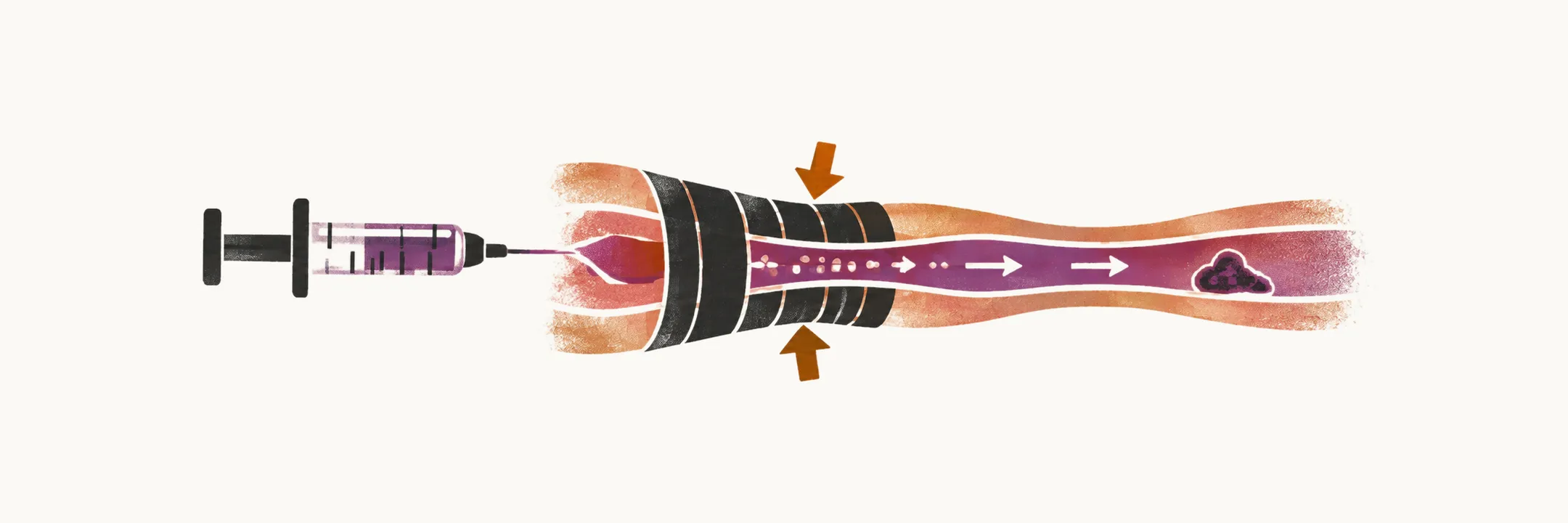
Venous thromboembolism (VTE), which comprises deep-vein thrombosis and pulmonary embolism, is the most common preventable cause of death in hospitalized patients, and about half of all VTE events occur during or shortly after a hospital admission. Because much of that risk is avoidable, every acutely ill medical patient is assessed for it to decide whether prophylaxis, treatment given to prevent VTE, is needed.
The risk is summarized by the same three factors that govern thrombosis in general, known as Virchow triad. Stasis comes from immobility and bed rest; vessel-wall injury and inflammation come from surgery, infection or sepsis; and a hypercoagulable state, an increased tendency of the blood to clot, comes from cancer, a previous VTE, known thrombophilia or hormonal therapy. Medically ill patients often carry several of these at once, which multiplies the risk.
Who needs prophylaxis
Risk-assessment models such as the Padua score and the IMPROVE score combine these factors into a total. In the Padua score a total of 4 or more marks high VTE risk, and in the IMPROVE score 4 or more does the same. Bleeding risk is assessed at the same time, for example with the IMPROVE-BLEED score, because anticoagulant prophylaxis is chosen only when the bleeding risk is acceptable.
What is used
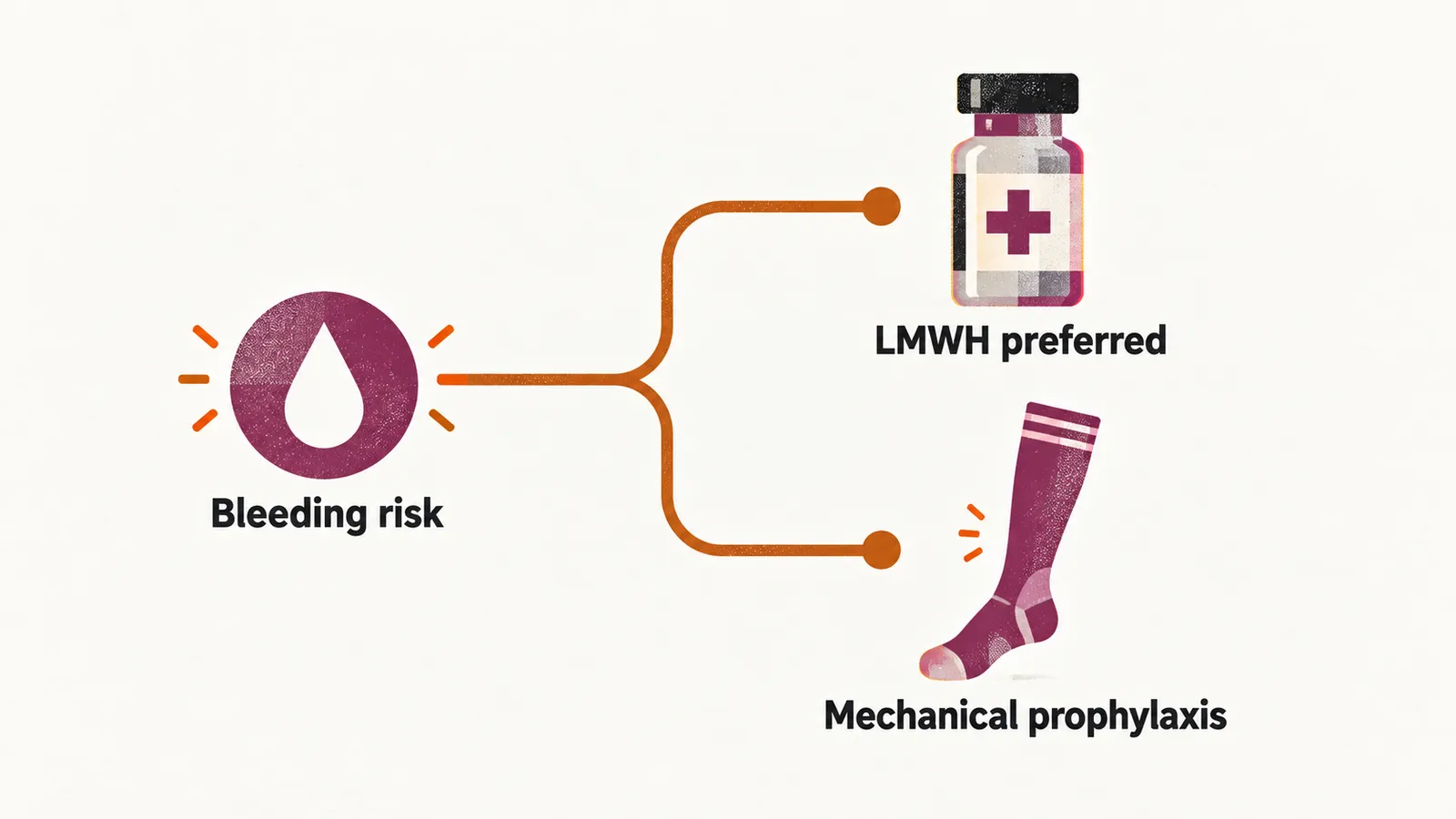
For a patient at high VTE risk and low bleeding risk, the choice is pharmacological prophylaxis, which lowers the rate of pulmonary embolism and symptomatic deep-vein thrombosis:
- low-molecular-weight heparin (LMWH), preferred in most patients
- low-dose unfractionated heparin, an alternative to LMWH
- fondaparinux, used when heparins are unsuitable, for example after heparin-induced thrombocytopenia (an immune reaction to heparin that lowers the platelet count)
When the bleeding risk is high, mechanical prophylaxis is used instead — graduated compression stockings or intermittent pneumatic compression (inflatable sleeves that squeeze the legs at intervals) — and pharmacological prophylaxis is started once the bleeding risk falls. Adding mechanical to pharmacological prophylaxis has not been shown to add a clear benefit over the drug alone.
Prophylaxis is continued for the period of hospitalisation or immobility. In most medically ill patients it is not extended after discharge, because trials of extended prophylaxis have not shown a benefit that reliably outweighs the added bleeding.