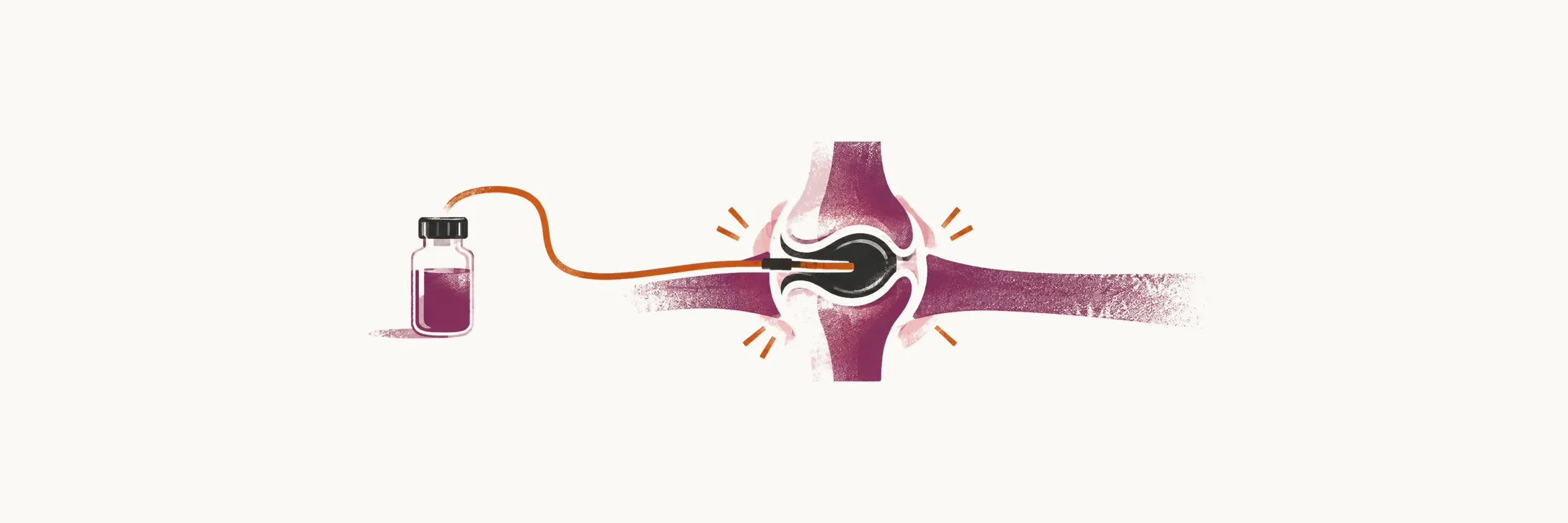
Haemophilia A and B are the most common of the severe inherited bleeding disorders. Each is caused by the deficiency of a single coagulation factor, factor VIII (FVIII) in haemophilia A and factor IX (FIX) in haemophilia B, and the two are clinically indistinguishable.
Genetics and prevalence
More than half of the congenital bleeding disorders are related to VWD (von Willebrand disease) and haemophilia A.
Haemophilia is an X-linked recessive disorder that is related to the presence of a mutation in the F8 gene, which is for factor VIII production and leads to haemophilia A, or classic haemophilia, or in the F9 gene, which is for factor IX production and leads to haemophilia B, or Christmas’ disease.
Haemophilia A represents more than 80% of the cases of haemophilia. This is due to the bigger size of the F8 gene in comparison to the F9 gene, which makes it more susceptible to gene mutation. Haemophilia is prevalent in about 1 in 10,000 males in all ethnicities.
More than 500 mutations related to haemophilia have been detected; one of the most common is inversion of intron 22, which can be found in more than 40% of severe haemophilia A.
The bleeding phenotypes
As the phenotype of coagulation disorders correlates with the activity of the factors, haemophilia has different bleeding phenotypes:
| Severity | Factor activity | Bleeding |
|---|---|---|
| severe | less than 1% activity | bleeding inside joints, muscles and soft tissues after minor trauma or even spontaneously |
| moderate | about 1 to 5% activity | bleeding inside joints, muscles and soft tissues after minor trauma or even spontaneously |
| mild | more than 5% and less than 40% activity | infrequent bleeding, mostly after trauma; in patients with activity more than 25% the diagnosis is mostly made after major trauma or during routine pre-operative tests |
Severe disease is the largest group, accounting for roughly half of all cases, and moderate and mild disease make up the rest. The reason the severe form is so much more prevalent is that the occurrence of inversion of 22 is very frequent.
In the case of haemophilia it is important to exclude VWD, because von Willebrand factor (VWF) is the carrier protein of FVIII in the plasma, which increases the half-life of FVIII from 30 minutes to 12 hours.
Complications and life-threatening bleeding
The consequences of bleeding in haemophilia depend on where the blood collects:
- muscle — a haematoma in the muscles can cause compression of nerves, arteries and veins distal to the muscle, which can cause compartment syndrome
- CNS, oropharyngeal space and retroperitoneum — bleeding here is life-threatening and requires immediate intervention
- urinary tract — haematuria is also frequent in haemophilia; it is mostly self-limiting, without any need for intervention
Treatment
Treatment began with replacing the missing factor. The very first therapy for haemophilic patients was in the 1960s, and it was cryoprecipitate, which contains concentrated coagulation factors. In the 1990s, the recombinant forms of factor VIII and IX started to be used.
Beside the use of factors, in the form of cryoprecipitate and recombinant ones, DDAVP, or desmopressin, is also used; it increases the release of FVIII and VWF from the cells that are making them. The most recent and successful way of treatment for haemophilia is gene therapy.
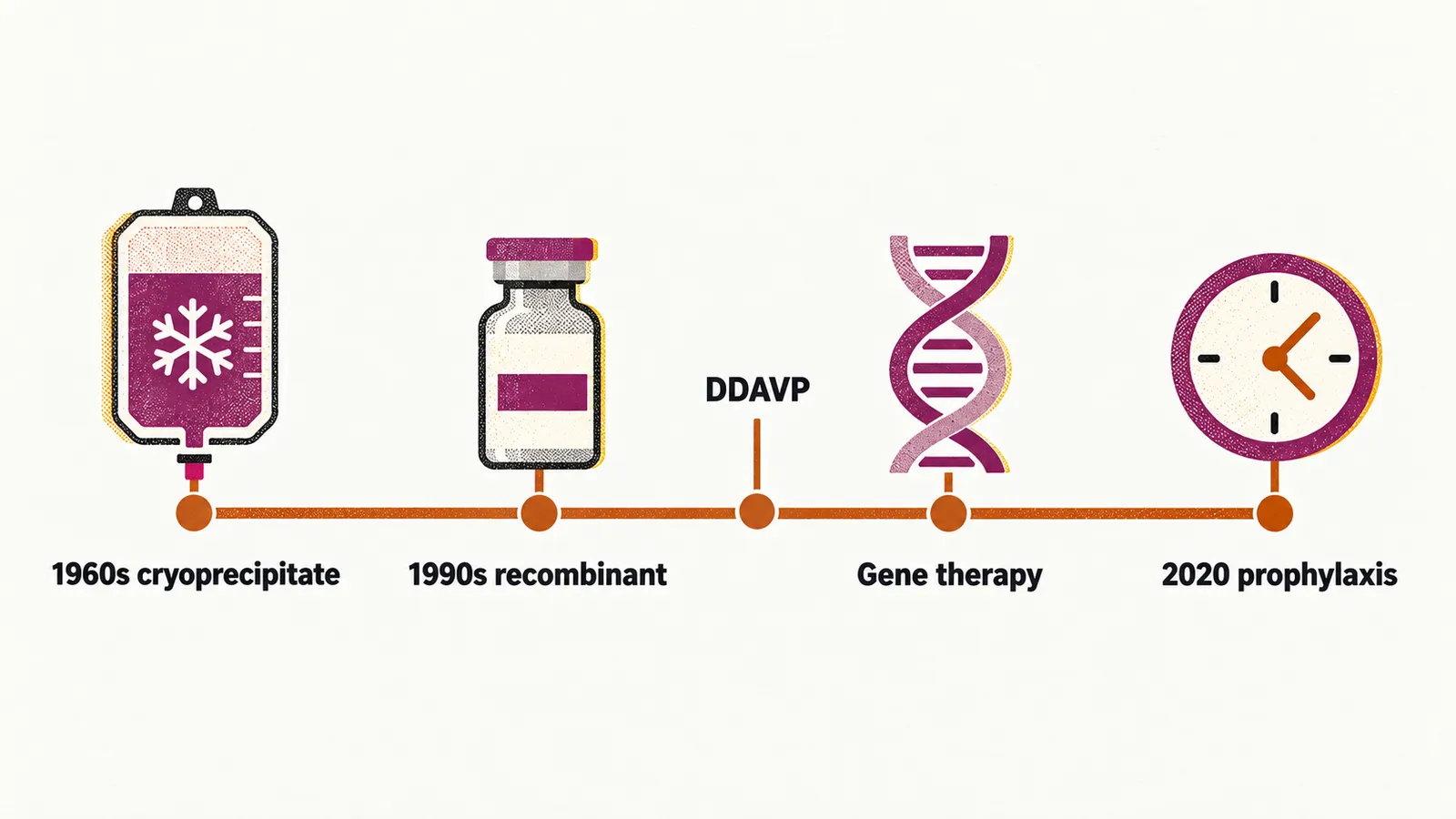
From 2020, the use of prophylaxis in patients who are suffering from haemophilia has become routine care that prevents the episodes, instead of just treatment after episodes of bleeding have happened.