Heparin-induced thrombocytopenia, or HIT, is an immune reaction to heparin, the anticoagulant given to prevent or treat clots. It differs from every other form of drug-induced thrombocytopenia in the way it behaves: the platelet count falls only mildly and bleeding is not the problem, because the reaction turns the blood toward thrombosis instead. Recognising it therefore means recognising a clotting disorder that happens to present as a falling platelet count.
Pathogenesis
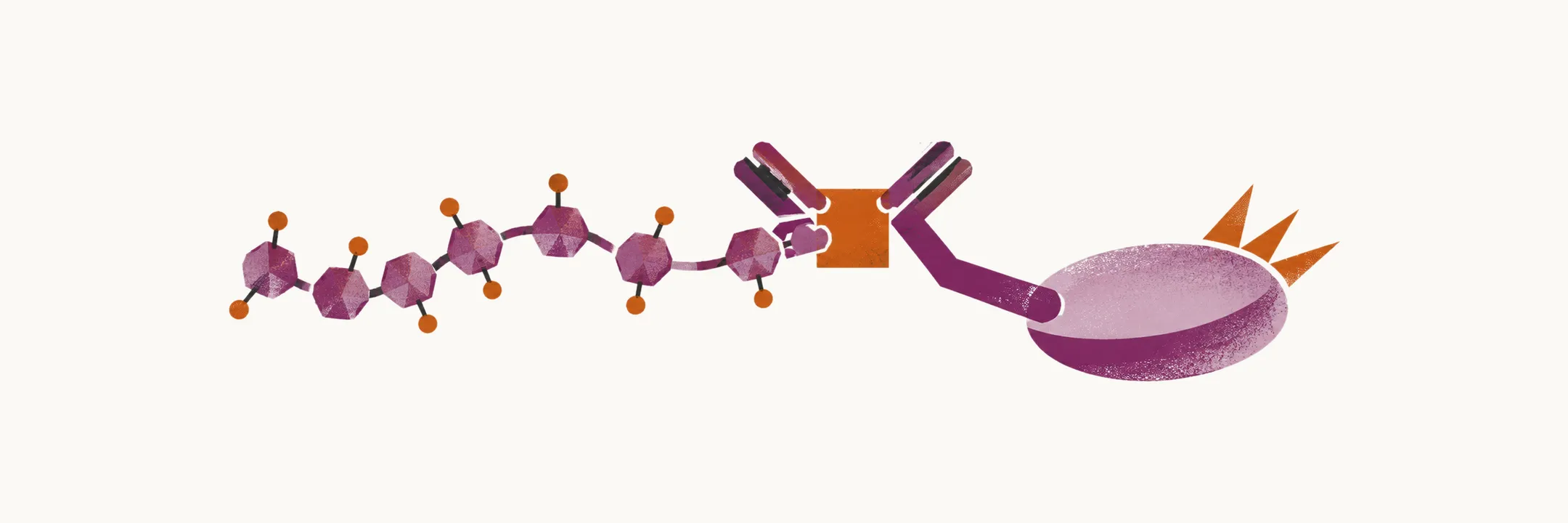
The reaction begins when heparin binds platelet factor 4 (PF4), a protein released from platelet granules, and forms PF4-heparin complexes. These complexes are immunogenic, and some patients form IgG antibodies against them. The antibody-PF4-heparin complex then binds the Fc gamma receptor IIa on platelets and activates them, which generates thrombin and produces a paradoxical prothrombotic state — the opposite of the anticoagulant effect heparin was given for.
Not all patients with antibodies develop HIT. Many patients who receive heparin form antibodies against PF4, but only some of them develop HIT, and only about half of those with HIT develop HIT with thrombosis, or HITT. HIT can be seen with both low-molecular-weight heparin (LMWH) and unfractionated heparin (UFH), but it is more frequent with UFH.
Diagnosis
Clinical probability
The clinical probability is assessed with a scoring system called the 4T score, which counts:
- thrombocytopenia
- timing of the decline in the platelet count
- thrombosis
- other causes of thrombocytopenia are not evident
Timing
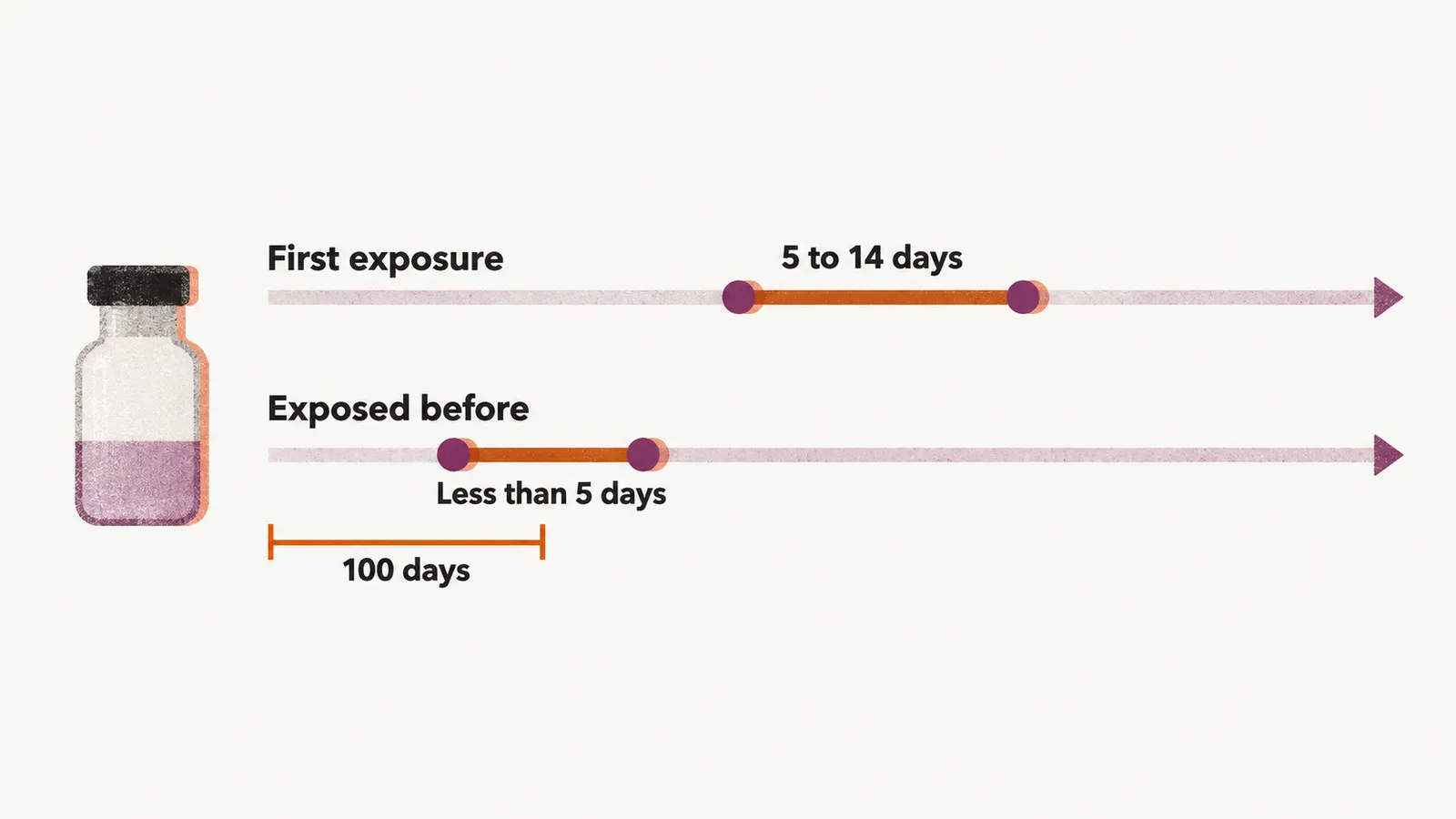
The timing of the count fall is part of the diagnosis. The minimum interval for HIT after first exposure to heparin is about 5 to 14 days. If the patient has been exposed to heparin before — less than 100 days before the new exposure — HIT occurs less than 5 days after the new exposure, because antibodies against PF4 or heparin are already present in the body.
Laboratory testing
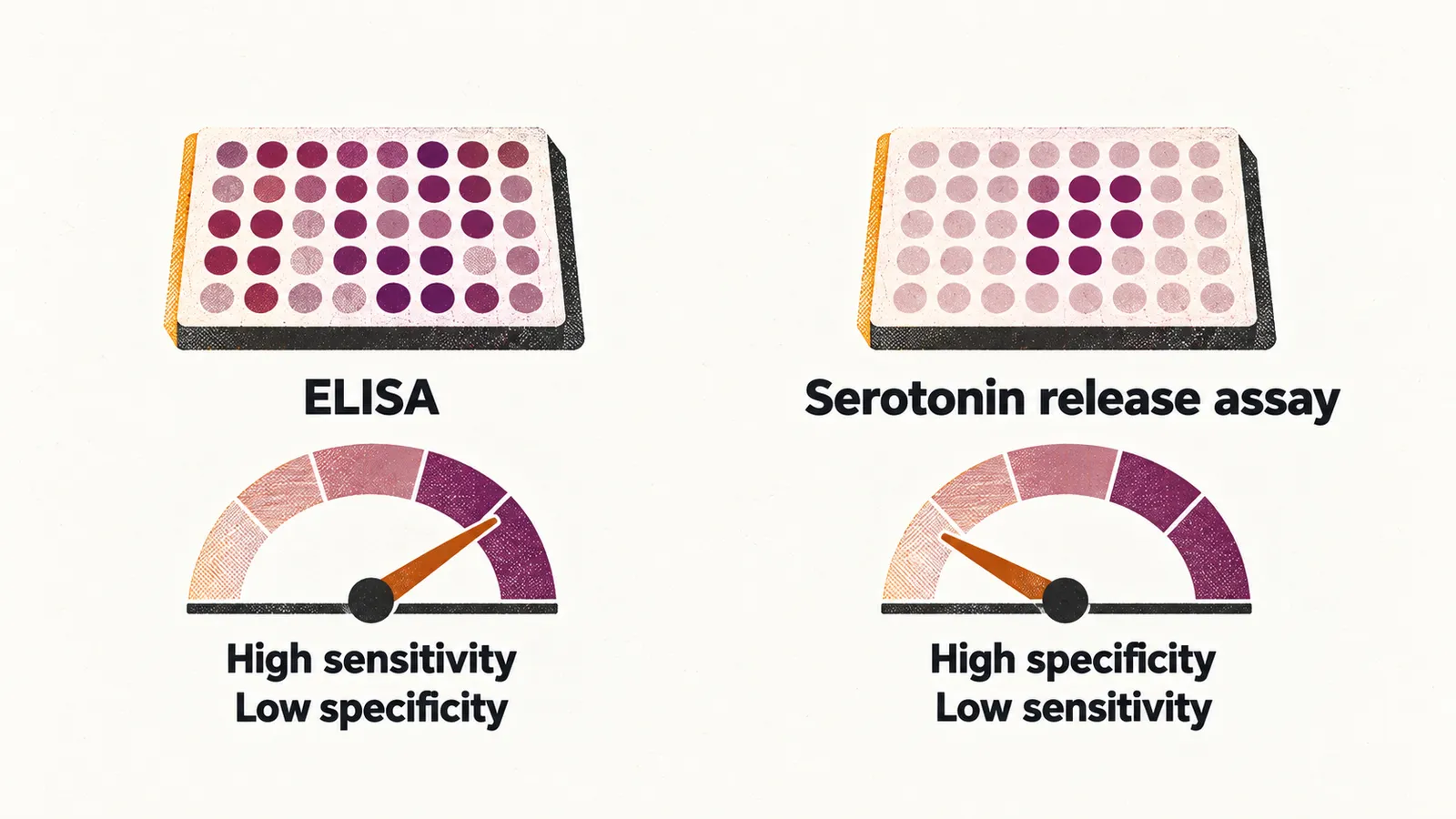
Laboratory testing has two main approaches:
- ELISA (enzyme-linked immunosorbent assay) with PF4 as the antigen — high sensitivity, low specificity
- a platelet activation assay based on serotonin release — high specificity, low sensitivity; it tests the ability of the patient’s serum to activate platelets in vitro in the presence of heparin
Delayed and spontaneous forms
HIT manifesting more than 14 days after the first exposure, called delayed HIT, is rare. Spontaneous HIT, also called autoimmune HIT, is defined by otherwise unexplained thrombocytopenia and/or thrombosis caused by heparin-independent anti-PF4 antibodies that activate platelets without any proximate heparin exposure. It is very rare. Similar in its heparin-independent anti-PF4 mechanism is vaccine-induced thrombotic thrombocytopenia, or VITT, which is caused by some vaccines such as the AstraZeneca vaccine for COVID-19.
Treatment
The very first step is to stop heparin as soon as possible. Anticoagulation is then mandatory even when no thrombosis has been found, because of the high incidence of thrombosis in these patients.
For the prevention of thrombosis in HITT, direct thrombin inhibitors (DTIs) that are FDA-approved for HIT can be used: argatroban and bivalirudin. Fondaparinux is also used, and direct oral anticoagulants (DOACs) as well, but neither is FDA-approved for HIT.
Warfarin can also be used, with two important considerations: it should be started after resolution of the thrombocytopenia, and it should be prescribed along with a DTI or with fondaparinux. Using other forms of heparin, such as LMWH, is extremely contraindicated in HIT because of the cross-reaction of antibodies.
In patients with HITT, anticoagulation is used for 3 to 6 months.
HIT is therefore an antibody-mediated fall in platelet count that carries a risk of thrombosis rather than bleeding. Antibody-mediated platelet destruction in which bleeding is the main feature is a different disorder: Immune Thrombocytopenic Purpura (ITP).