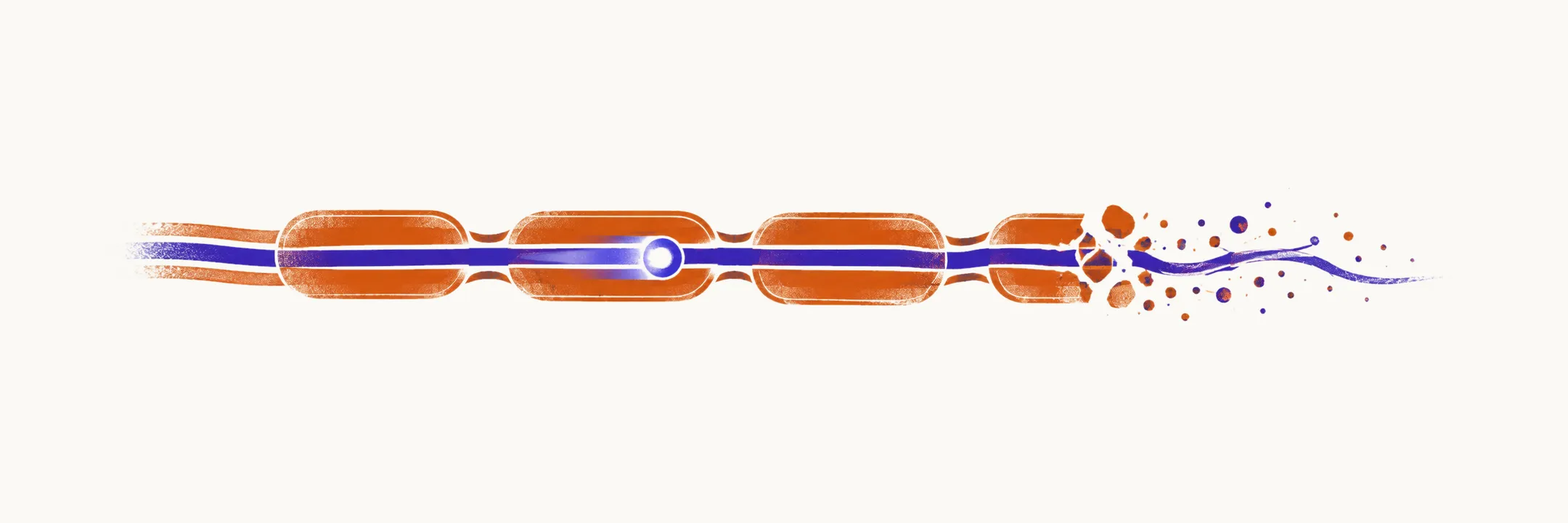
Peripheral neuropathy means damage to peripheral nerves, the nerves outside the brain and spinal cord. Different causes can produce similar symptoms, so understanding the pattern helps make sense of the possibilities.
Patterns, rather than causes, organize the topic. Damage may be confined to one nerve or a few nerves at a time, may affect many nerves symmetrically and length-dependently (the longest nerves fail first, so symptoms begin in the feet), or may arrive as a rapidly progressive immune attack. Symmetric length-dependent polyneuropathy is the largest group.
Choose a route through the topic
The useful sequence is foundations and epidemiology first, then the pattern notes, then the specific causes, then diagnosis and treatment.
Foundations and frequency
- Foundations explains how nerves are built, what distinguishes axonal from demyelinating injury, and how sensory, motor, and autonomic signs point to the site of damage.
- Epidemiology gives how common each neuropathy is, who it affects, and what those numbers imply before any test is ordered.
Patterns of nerve involvement
- Entrapment Syndromes covers focal compression neuropathies such as carpal tunnel and cubital tunnel syndromes, with their bedside tests and treatment.
- Mononeuritis Multiplex covers nerve failure at separate sites and times, its vasculitic causes, and how it is investigated and treated.
- Polyneuropathy Classification sets out the four-axis framework of tempo, fibre type, mechanism, and etiology, with the common causes and the extranervous clues that narrow them.
- Small-Fibre Neuropathy covers burning distal pain with preserved strength, reflexes, and conduction studies, and how skin biopsy confirms it.
Specific causes
- Diabetic Neuropathy follows the most common cause of polyneuropathy, from distal symmetric disease through small-fibre and autonomic patterns to the painful proximal syndrome that behaves differently.
- Guillain-Barre Syndrome explains the acute ascending emergency, its demyelinating and axonal forms, the post-infectious mechanism, diagnosis, immunotherapy, and prognosis.
- Inflammatory and Immune Neuropathies covers the chronic treatable immune diseases, including CIDP and multifocal motor neuropathy, paraprotein-associated disease, and POEMS syndrome.
- Hereditary Neuropathies covers Charcot-Marie-Tooth disease, inherited liability to pressure palsies, and transthyretin amyloid neuropathy, with their genetics and management.
- Chemotherapy-Induced Neuropathy covers which drugs cause it, why platinum damage can worsen after treatment stops, and what can and cannot be done about it.
Workup and treatment
- Diagnosis traces the workup from history and examination through laboratory testing, spinal fluid, imaging, biopsy, and root localization.
- Nerve Conduction Studies and EMG explains how electrodiagnostic testing separates axonal from demyelinating disease, localizes lesions, and grades severity.
- Treatment follows cause-directed therapy by etiology and the interventions to avoid in specific diseases.
- Neuropathic Pain covers why ordinary analgesics fail, the first-line drugs with their doses, and how to switch or combine them.