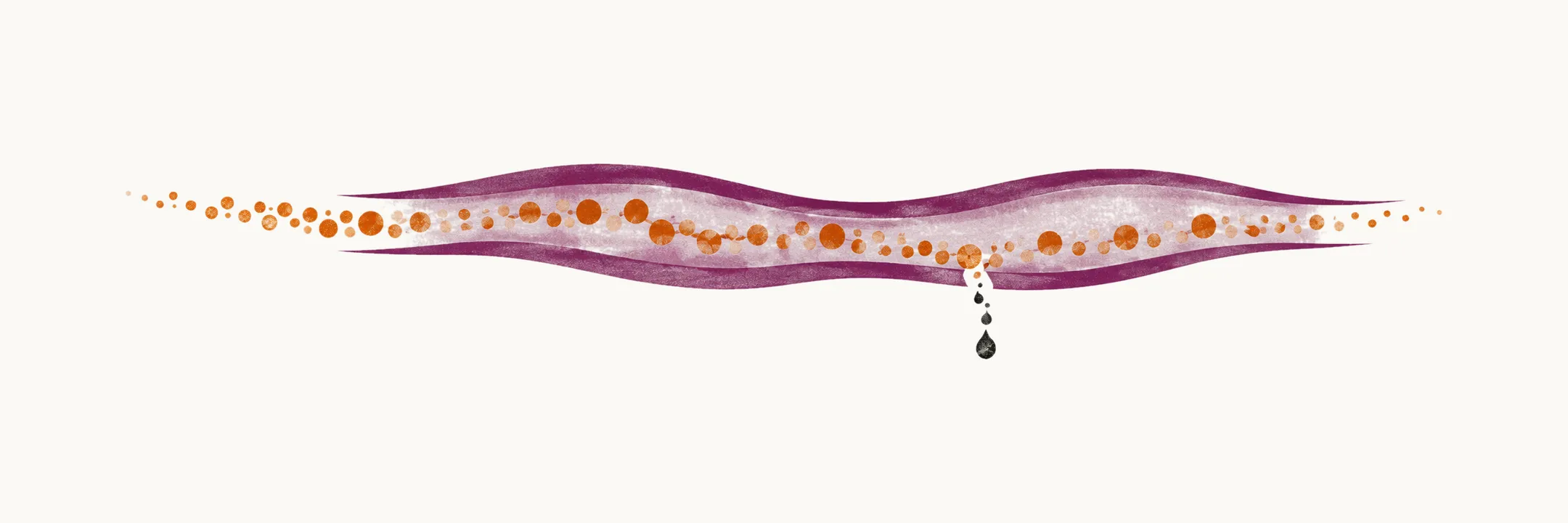
Iron deficiency is the most common nutritional deficiency worldwide, and estimates of its prevalence put it at around 12% of the whole population, in developed and developing countries alike, with most of the burden in developing countries. Hypoproliferative anemias are the most common anemias seen in the clinic, and iron deficiency makes up the majority of them. The causes differ between populations, and having iron deficiency of the stores is not the same as having iron-deficiency anemia.
Causes of iron deficiency
Blood loss is the commonest mechanism, because blood is rich in iron and a continued loss of even small amounts eventually exceeds what the gut can absorb. The other causes are failures of supply or increases in demand:
- reduced absorption: bariatric surgery, H. pylori infection and celiac disease
- diet: a diet poor in absorbable iron, such as a vegetarian diet
- increased demand: pregnancy and lactation, and continuous EPO (erythropoietin) treatment in end-stage renal disease
In functional iron deficiency, the iron is present but unavailable: chronic diseases keep the iron that is present in the stores from being released to the marrow.
Iron deficiency and iron-deficiency anemia
It is not true that all patients who have iron deficiency also have iron-deficiency anemia. Iron deficiency describes the state of the stores; iron-deficiency anemia describes the state in which the hemoglobin has also fallen. The stores can be emptied while the hemoglobin is still normal, and the anemia appears only when the supply of iron to the marrow becomes insufficient.
Clinical features
The features depend on how long the deficiency has been present and how severe it is. When it has been present for a long time, the tissues that depend on iron-containing enzymes show it, and the picture can include:
- pica, an abnormal craving for non-food substances
- angular cheilitis, a fissure at the corner of the mouth
- koilonychia, spooning of the nails, which is a sign of very severe tissue iron deficiency
- an esophageal web
- alopecia
- restless legs syndrome
With the anemia itself come the usual signs: fatigue, pallor and a reduced exercise capacity.
The blood picture
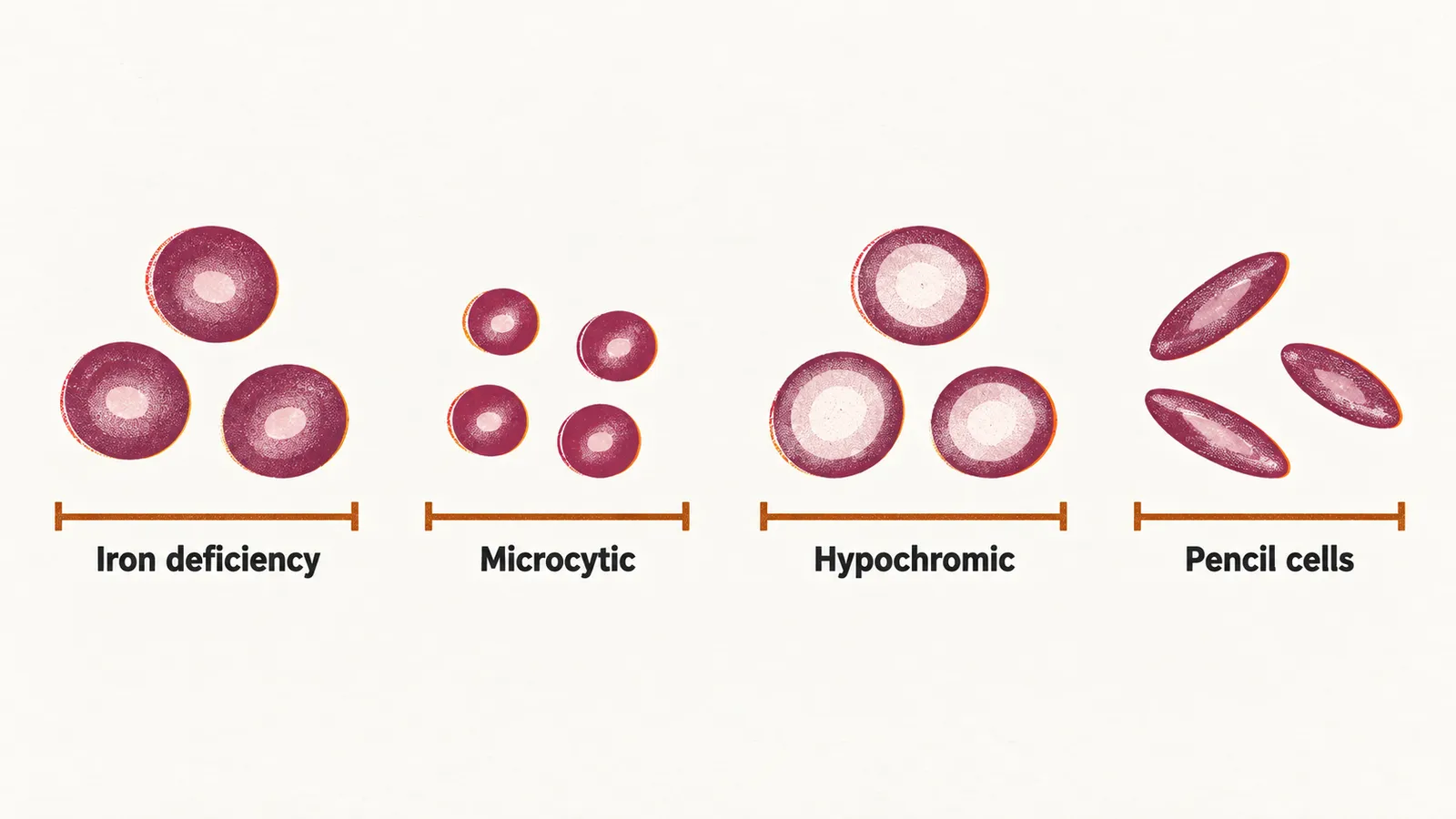
In anemia, and not in the early stages of iron deficiency, the red cells are microcytic and hypochromic. In iron-deficiency anemia the peripheral blood also shows abnormally shaped cells, the pencil cells. Beside the presence of these signs, the main way of diagnosing iron deficiency is laboratory testing.
When iron deficiency should be suspected
Because the typical blood picture is absent in the early stages, the possibility of iron deficiency has to be considered in the settings where it is likely. These are all adults with unexplained anemia, especially those with new-onset anemia that is microcytic and in whom reticulocytosis (a raised reticulocyte count) is absent; pregnant women; and people with chronic diseases, including people on dialysis who are receiving long-term EPO for end-stage renal disease.
As a general rule, in an adult male or a postmenopausal female the manifestation of iron deficiency is related to gastrointestinal (GIT) bleeding, unless proven otherwise.